


Operations | ABC Children's Aid
Bangladesh
173m
Residents of the country
18%
Are below the poverty line
60%
Are under 30 years old
6.5 years
Average number of years in school
73 years
Life expectancy at birth
Main area of operation
Dhaka
Number of children supported by abc
480 children
Main area of operation
Nairobi
Number of children supported by abc
230 children
Partnership with ABC Children's Aid in Bangladesh
Partnership with Agape Social Concern
ABC began collaborating with the non-governmental organization Agape Social Concern (ASC) in 2017. ASC has been operating in Bangladesh since 1997 and their goal is the social development of poor and marginalized individuals and groups.
Home of peace
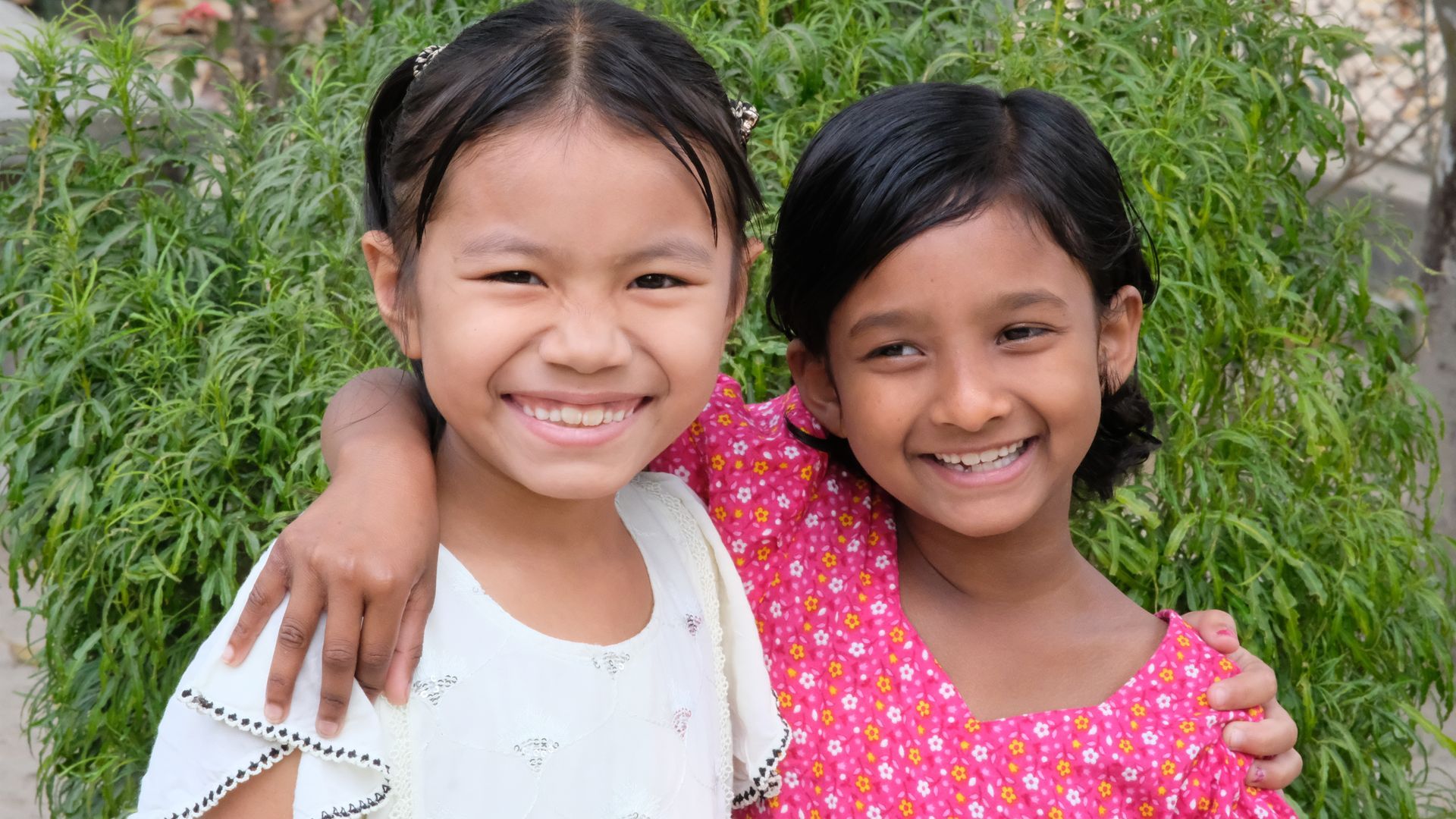
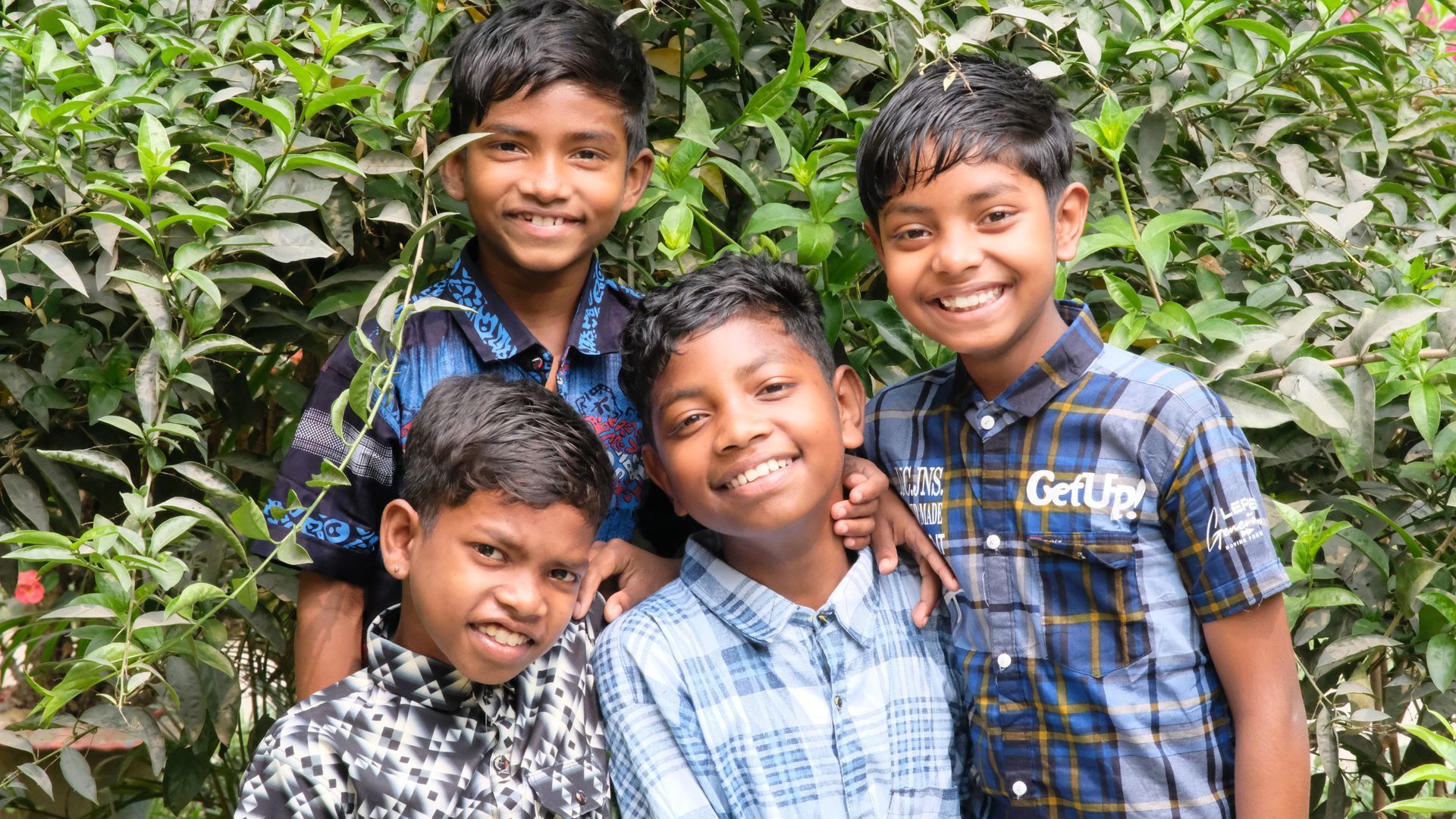
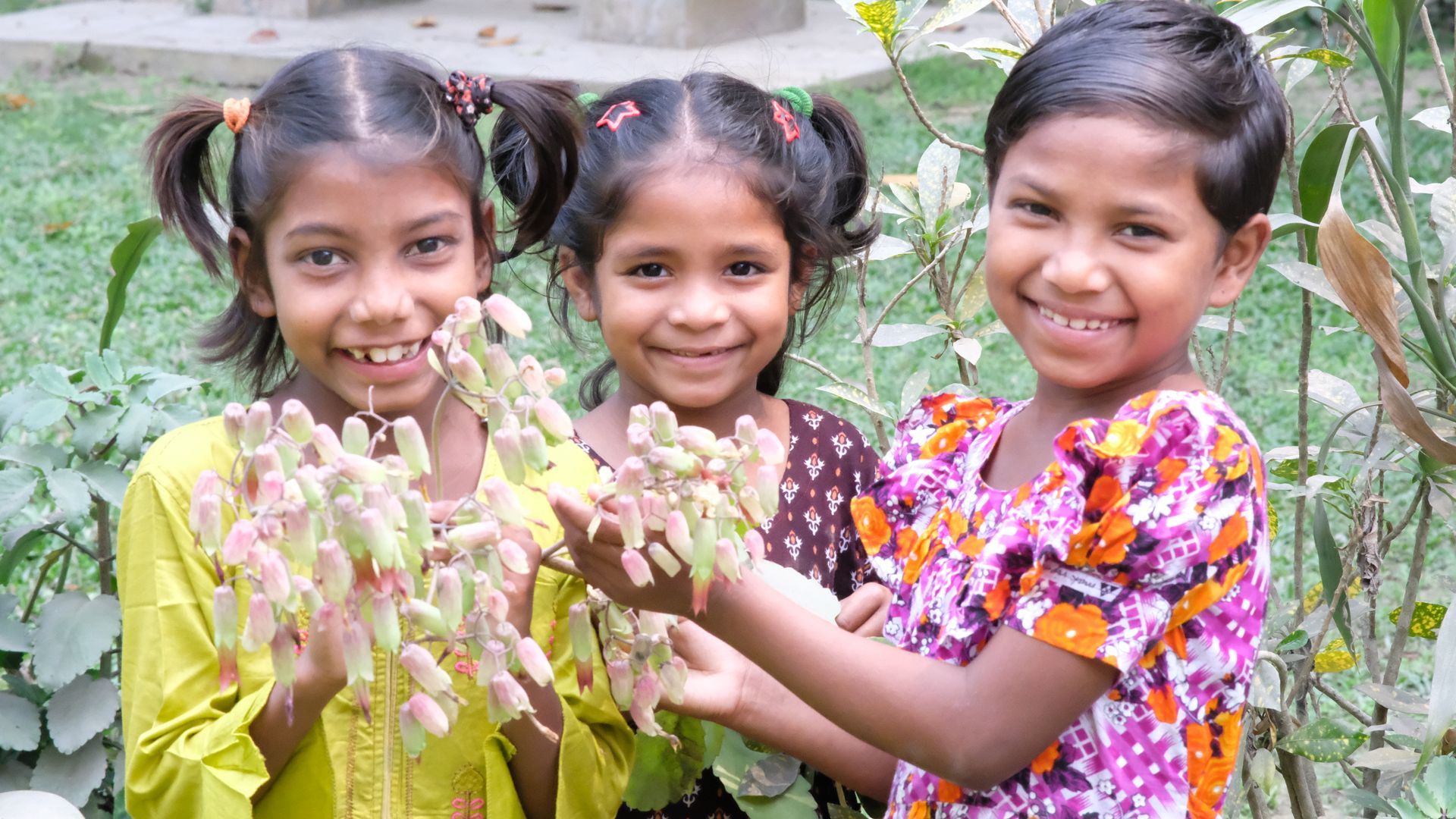
ASC runs a Home of Peace where children receive tuition and boarding. There they can complete the equivalent of a high school education and the program is both theoretical and practical. The practical part consists of computer training, sewing lessons and agricultural education.
Students come from remote rural areas, but approximately 68% of the country's population lives in rural areas.
Much effort is made to ensure that students learn about and become aware of their rights and responsibilities in society. Education is systematically promoted about the basic needs of children, child protection, child slavery, human trafficking, gender equality, and more. There are many social problems in the country and the rights of its citizens are greatly violated.
Hygiene is a priority, but access to clean water in rural areas of Bangladesh is severely lacking. ASC has funded and installed a water well, and all household sanitation facilities are in good working order.
The home also allows the children to develop their artistic talents through music, dance, singing, and art lessons. Regular sporting events are also held, and both the girls' and boys' teams at the home have performed brilliantly in football.
A home of peace promotes an ecological environment, but regular activity
The children are participating in is planting trees. Trees provide oxygen, provide shelter and shade, and produce food.
The unspoiled generation
It is widely agreed that corruption is the main cause of poverty in the world. The concept of the “virgin generation” has been implemented in schools around the world, including at the Peace House in Bangladesh. Children are systematically taught about the negative impact and extent of corruption. Corruption is about distorted thinking rather than the pursuit of money, and therefore future generations will grow up being educated about this main cause of poverty and destitution.
Sustainable operations
Subsistence farming is encouraged to reduce operating costs, and a certain area of the plot is used for vegetable cultivation. The children take an active part in picking the vegetables and fruits. Fruits grown there include jackfruit, mangoes and blackberries. These fruits are nutritious and also quite expensive, so there is a considerable saving.
bangladesh
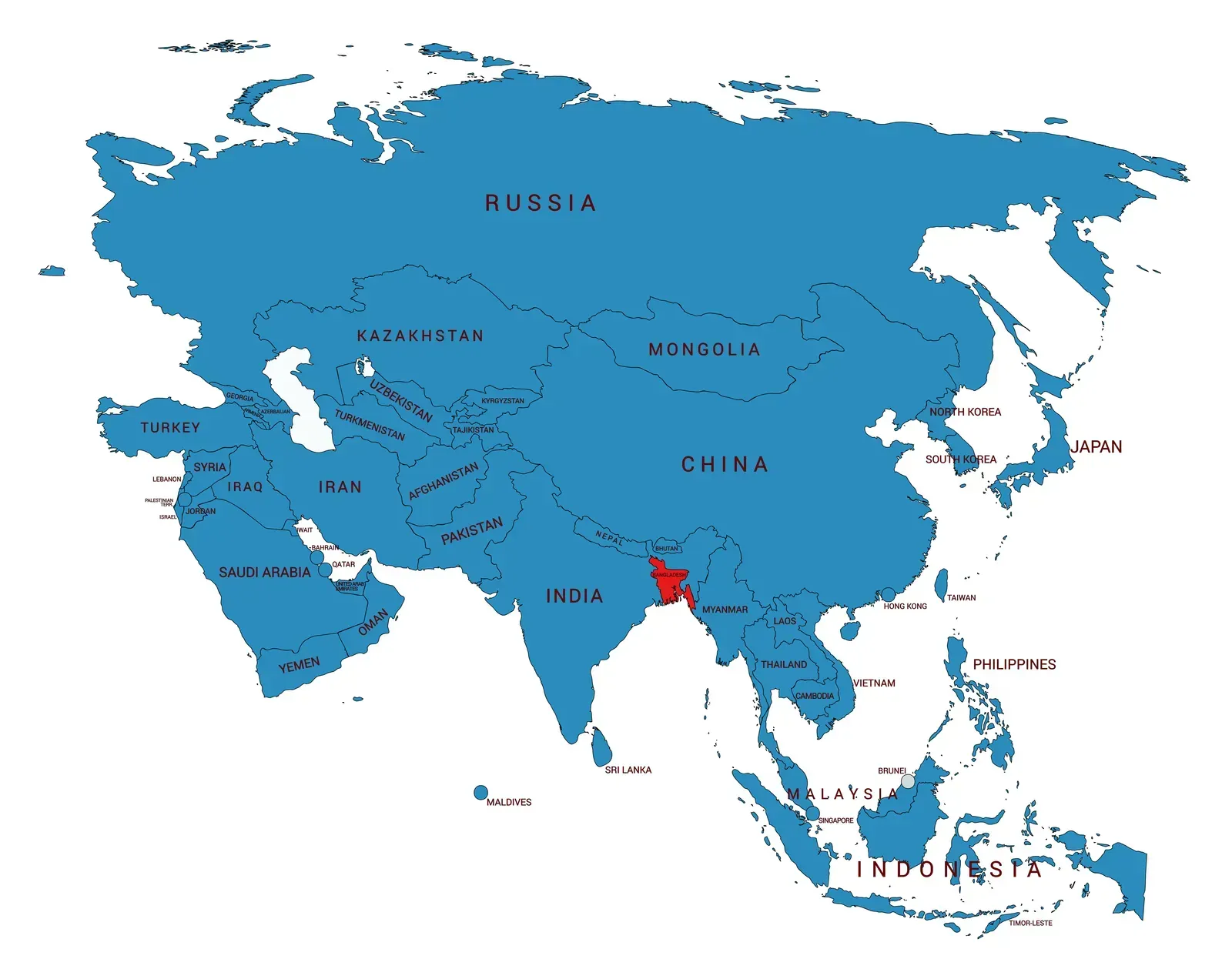
The northern part of the country borders India and also Myanmar, formerly known as Burma, to the southeast. Bangladesh is called the land of rivers and is situated on the fertile estuaries where the Ganges, Brahmaputra and Meghna rivers meet. Floods are a frequent problem, as are tropical storms in large parts of the country. The country is one of the most densely populated areas in the world with a population of over 174 million. The country became part of Pakistan after the partition of India in the 1940s. After a traumatic struggle for independence, Bangladesh became an independent state in 1971. Bangladesh has the second largest Muslim population in the world, with about 91% of the population being Muslim, while 8% are Hindu. About 0.4% of the population is Christian and other religious groups do not exceed 0.5%.
Success Stories - What changes with education?
Saga MELENA ATHOY HEMBROM
I was born into a very poor family where hardship was a daily reality and even two proper meals a day were never guaranteed. Yet poverty could not take away my courage to dream.
In 2007, my life changed when I was admitted to Home of Peace. It became my refuge and the place where my true education began. Through dorm life, I learned discipline, self-confidence, and the power of knowledge.
In 2016, I passed my Secondary School Certificate (SSC) exam—my first major achievement. Despite financial challenges, I continued my studies and completed my Higher Secondary Certificate in 2018. Later, I began my Diploma in Nursing at LAMB Hospital, which I successfully completed in 2022.
Today, I work as a nurse, serving people with dignity and purpose, and supporting my family who previously struggled to meet daily needs.
Everything I have become is rooted in the education and values I received at Home of Peace. My journey shows that poverty does not determine destiny—persistence, opportunity, and education do. I am deeply grateful to Home of Peace for helping me get to where I am today.

Education is the most important link in breaking the cycle of poverty
Thank you!
We will send you an invoice to your online bank shortly.
Thank you!
We will send you an invoice to your online bank shortly.
Thank you!
We will send you an invoice to your online bank shortly.