

Operations | ABC Children's Aid
Burkina Faso
23m
Residents of the country
40%
Are below the poverty line
65%
Are under 30 years old
2.5 years
Average number of years in school
61 years
Life expectancy at birth
Main area of operation
Bobo Dioulasso
Number of children supported by abc
806 children
Main area of operation
Nairobi
Number of children supported by abc
230 children
ABC School in Burkina Faso
In September 2008, the couple Hinrik Þorsteinsson and Guðný Ragnhildur Jónasdóttir founded ABC Children's Aid in Burkina Faso and the school Ecole ABC de Bobo was established in the city of Bobo-Dioulasso, which is the second largest city in Burkina Faso with approximately 1,000,000 inhabitants.
The couple managed the school and development work together with the deputy director, Kadi Bambara.
Since 2015, the couple Haraldur Pálsson and Jóhanna Sólrún Norðfjörður have done a lot of development work in the area, they then took over the management of the work in 2023, they are now responsible for managing the school and development work together with Kadi. In total, almost 90 employees are involved in the school work, all of whom are natives.
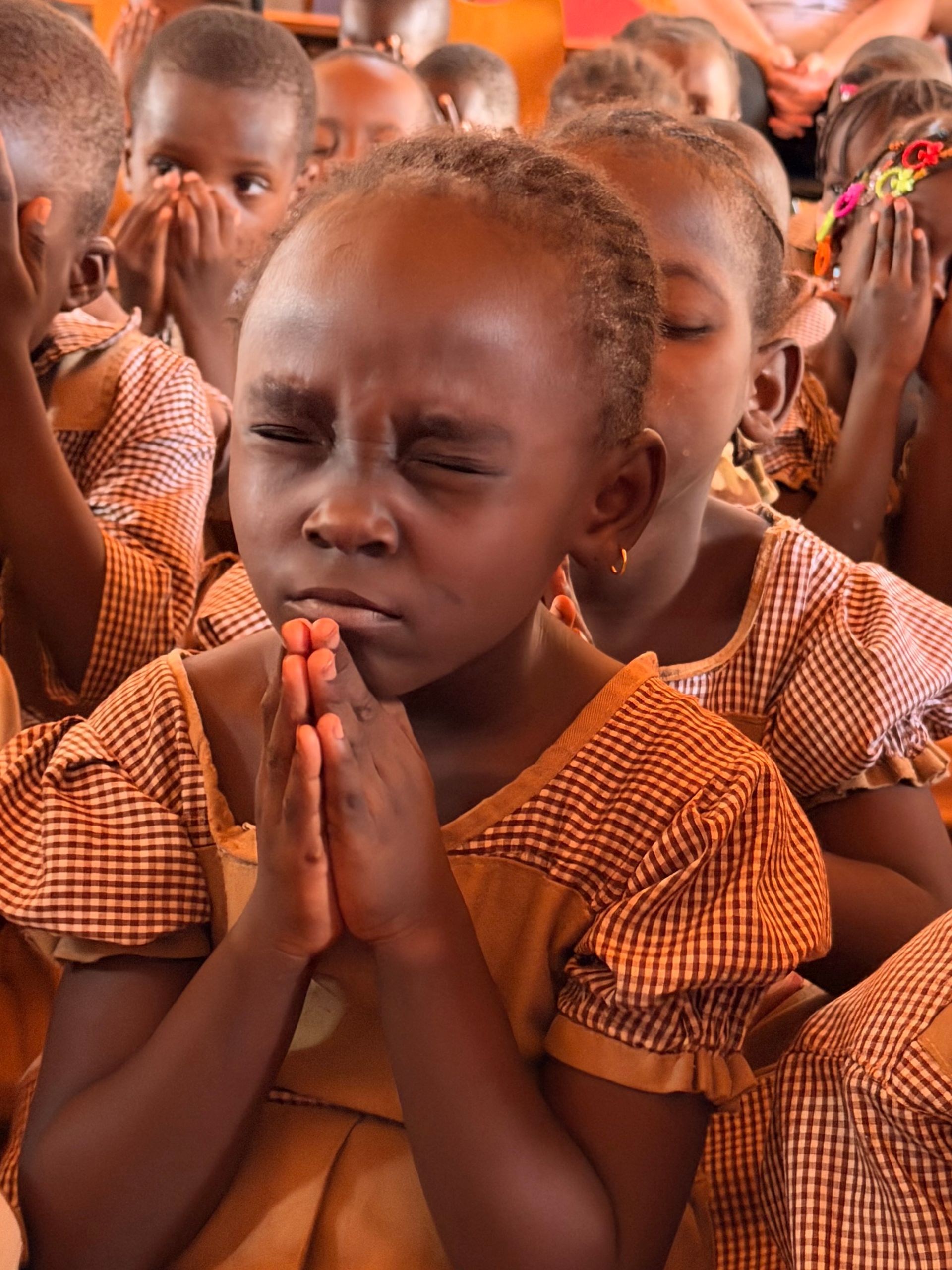
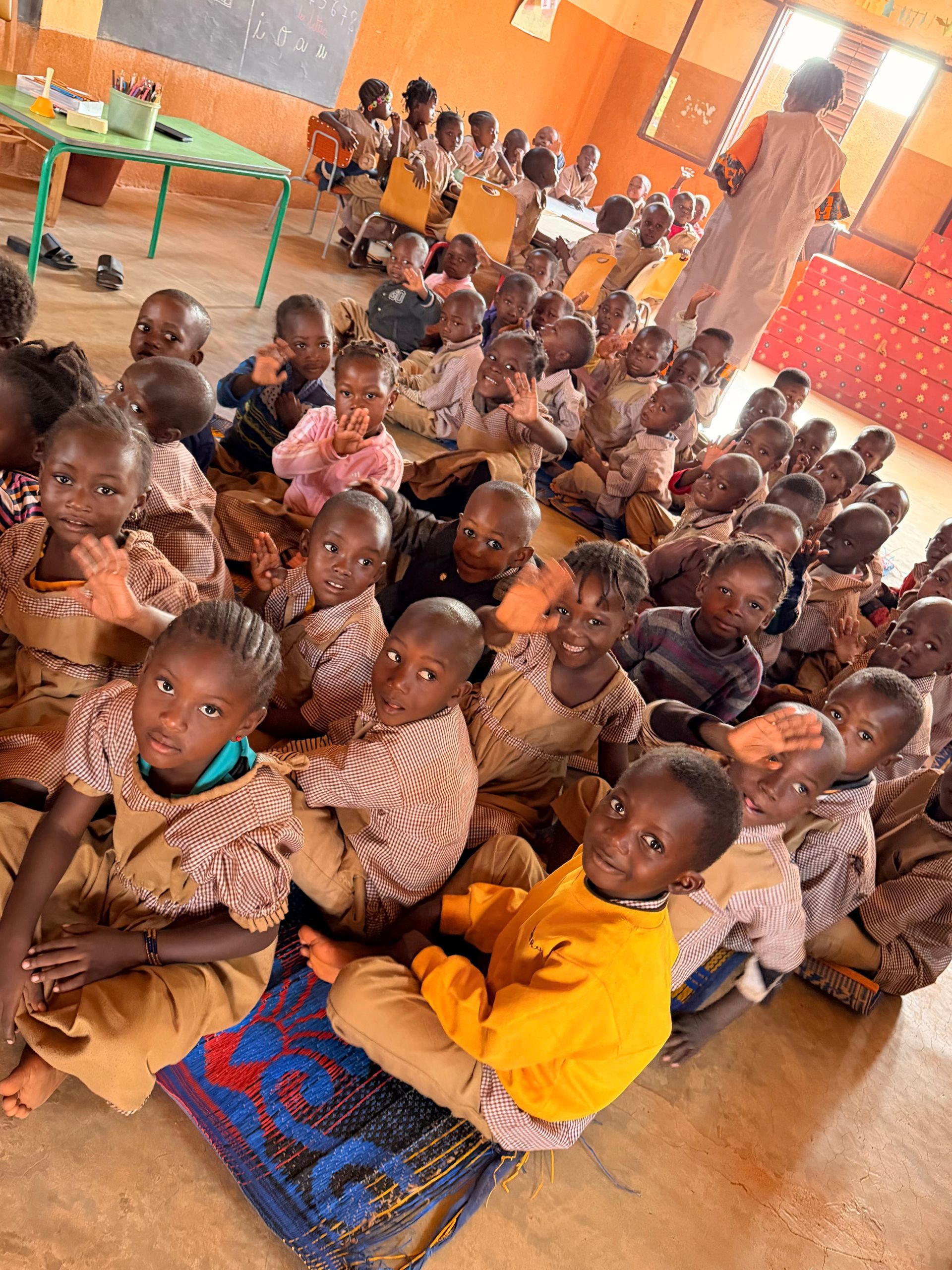
The building used for the school's first three years was borrowed and renovated for the purpose. In March 2011, the school moved into new premises consisting of 6 classrooms and housing almost 400 children in grades 1 to 6. The school's facilities are constantly expanding and the number of students is increasing in line with this. In 2026, the number of students has reached 1414 and ABC Children's Aid supports over 800 children for education. The school is located right next to the Quenzeville slum on the outskirts of the city and the children come from extremely poor homes. At the school, the children receive school supplies, school uniforms and a hot meal at 12:00. In addition, there is health care on site.
Graduation
In June 2014, the first group of 33 children graduated from primary school, a total of 6th grade. A secondary school has been established and in the fall of 2014, 33 students began their studies in the first year of secondary school (7th grade in the Icelandic school system).
In January 2016, computer classes began at the school. This was only possible due to the goodwill of companies and individuals who have supported ABC over the years by donating computers and accessories. Computer classes elevate the curriculum to a higher level and greatly increase the students' job opportunities after graduation. There is a vocational education department for children who have difficulty gaining a foothold in traditional schooling. Among other things, sewing lessons, studies in steelwork and furniture making are offered there. Music lessons are also offered at the same location. In 2022, the first students began their studies at university.
new building
Construction of a three-story secondary school was completed in 2017 and extensive construction has taken place in the area, including the installation of an even larger water tank and the addition of more solar panels. Staff facilities have been improved, a larger dining hall has been put into use and kitchen facilities have been greatly improved. In 2018, a kindergarten was built and in 2019, 4-5 year old children began attending school there.
In 2019, a girls' home was built in Lífland, where an agricultural school is run. A new water tower was added to the school grounds and water pipes were laid in the school and in Lífland. In 2020, solar cells and batteries were added, and in 2025, the upper secondary school was built and 8 new classrooms for the older grades of the primary school and the upper secondary school, along with a teacher's office, were put into use. The school has a good collaboration with the university in the area, and ABC students pursue postgraduate studies there.
The development has therefore been very extensive in the area, with the number of students increasing significantly and activities increasing significantly.
- The school year is from the beginning of October to the end of June.
- The school in Bobo is run with funding from ABC Children's Aid.
- The sponsorship money comes from the children's sponsors at the school.
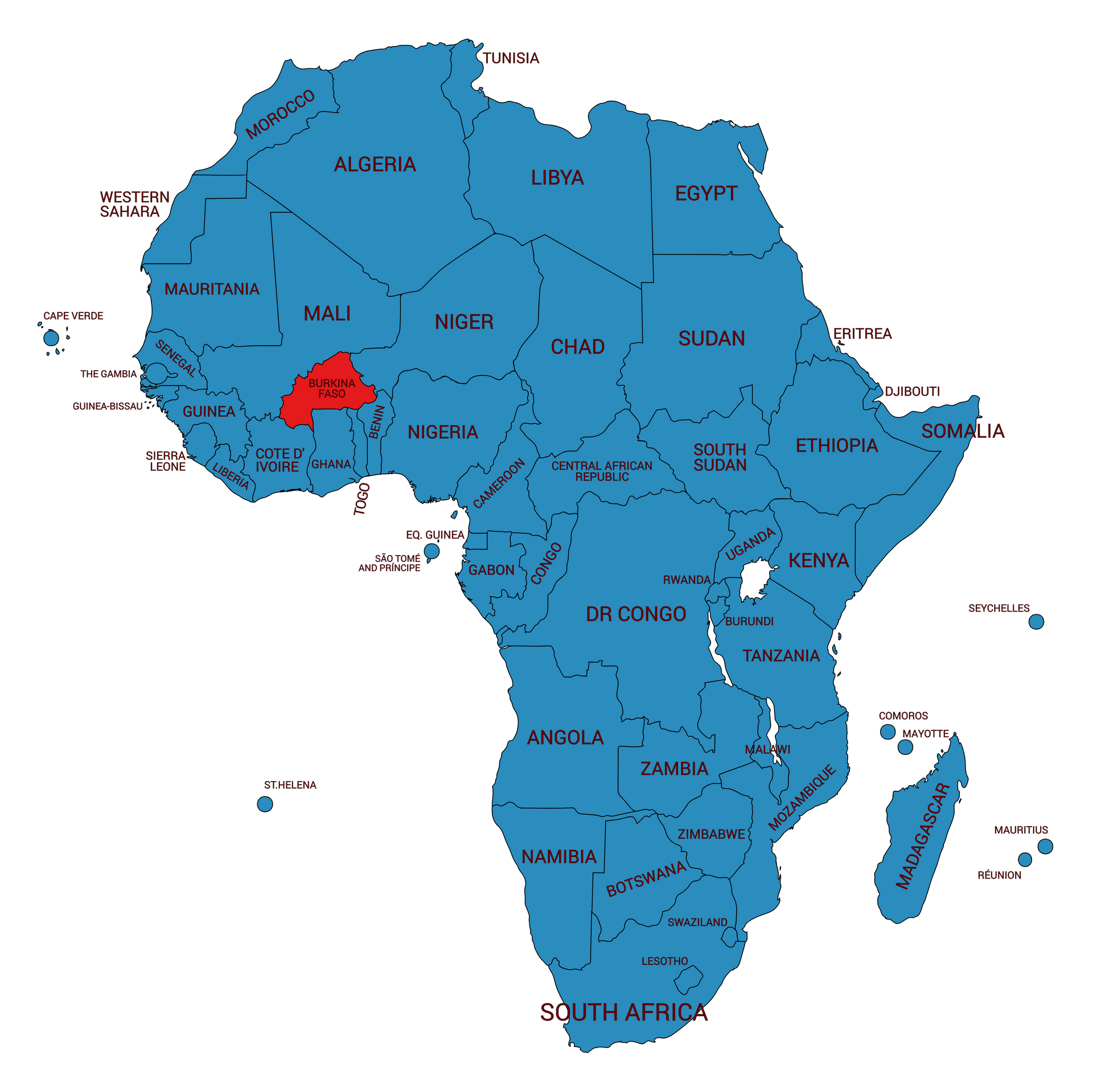
Burkina Faso
Burkina Faso is a landlocked country in West Africa, bordered by Mali to the north, Niger to the east, Benin to the southeast, Togo and Ghana to the south, and Ivory Coast to the west. The country was called Upper Volta until 1984, when it was changed to Burkina Faso, which means "land of the upright" in the Moré and Dioula languages, the two largest indigenous languages. The country is more than twice the size of Iceland and has a population of about 23.9 million.
The capital is Ouagadougou and the official language is French. The country gained independence from its colonial masters, the French, in 1960. Burkina Faso is one of the poorest countries in the world according to the United Nations Development Report. The gross domestic product per capita is among the lowest in the world, with 30% of GDP being in agriculture, where about 90% of the population works. Agriculture is mainly livestock farming, but in the south and southwest, crop farming is practiced, mainly on sorghum, pearl millet, maize, peanuts, rice and cotton.
It is estimated that 70 different languages are spoken in Burkina Faso. During the colonial period, French was adopted as the official language of the country, but it is only spoken by those who have been educated.
French is the language of government, political institutions, and public service. It is the sole language of law, administration, and the courts, and instruction in schools is conducted in French.
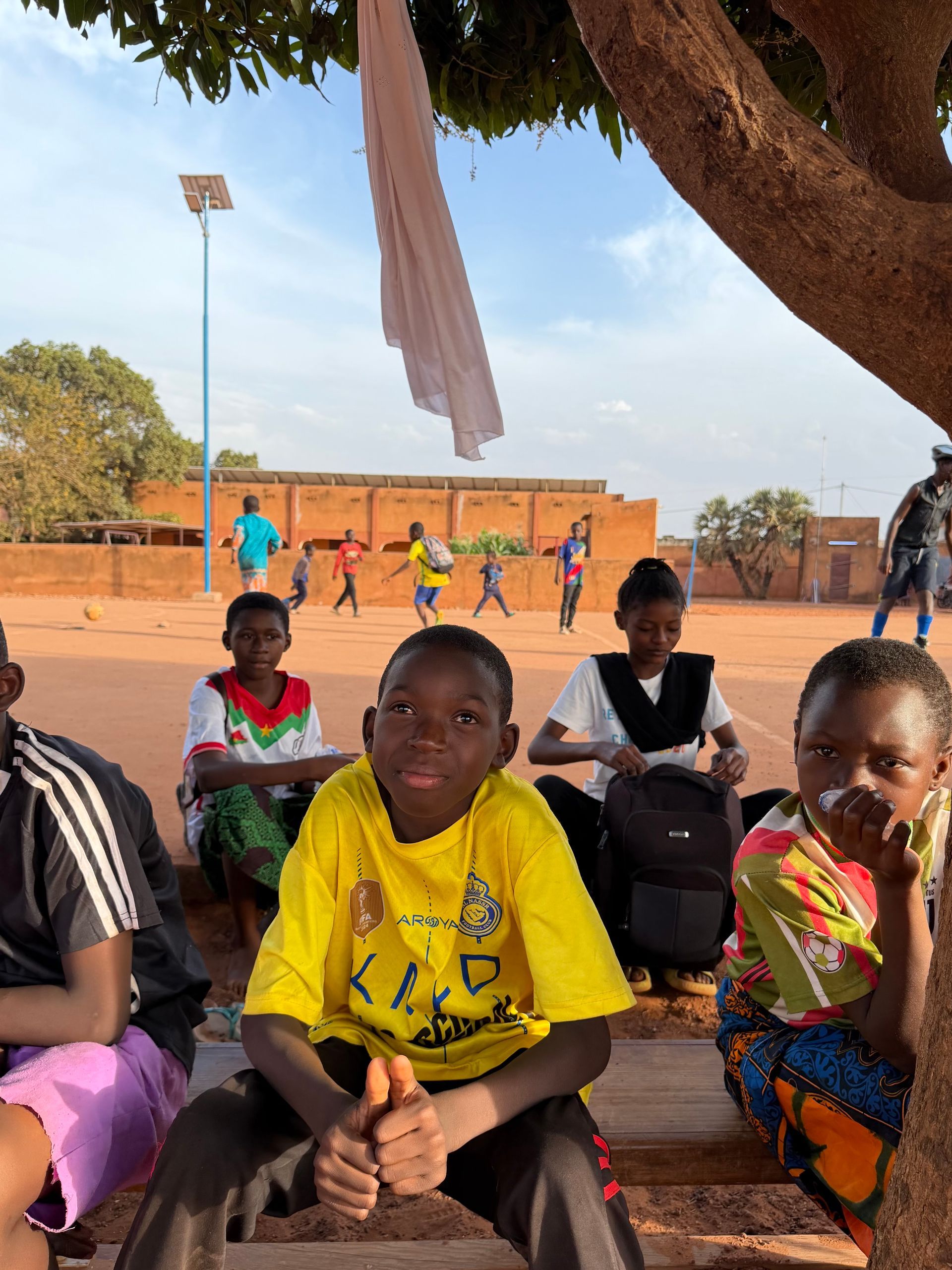
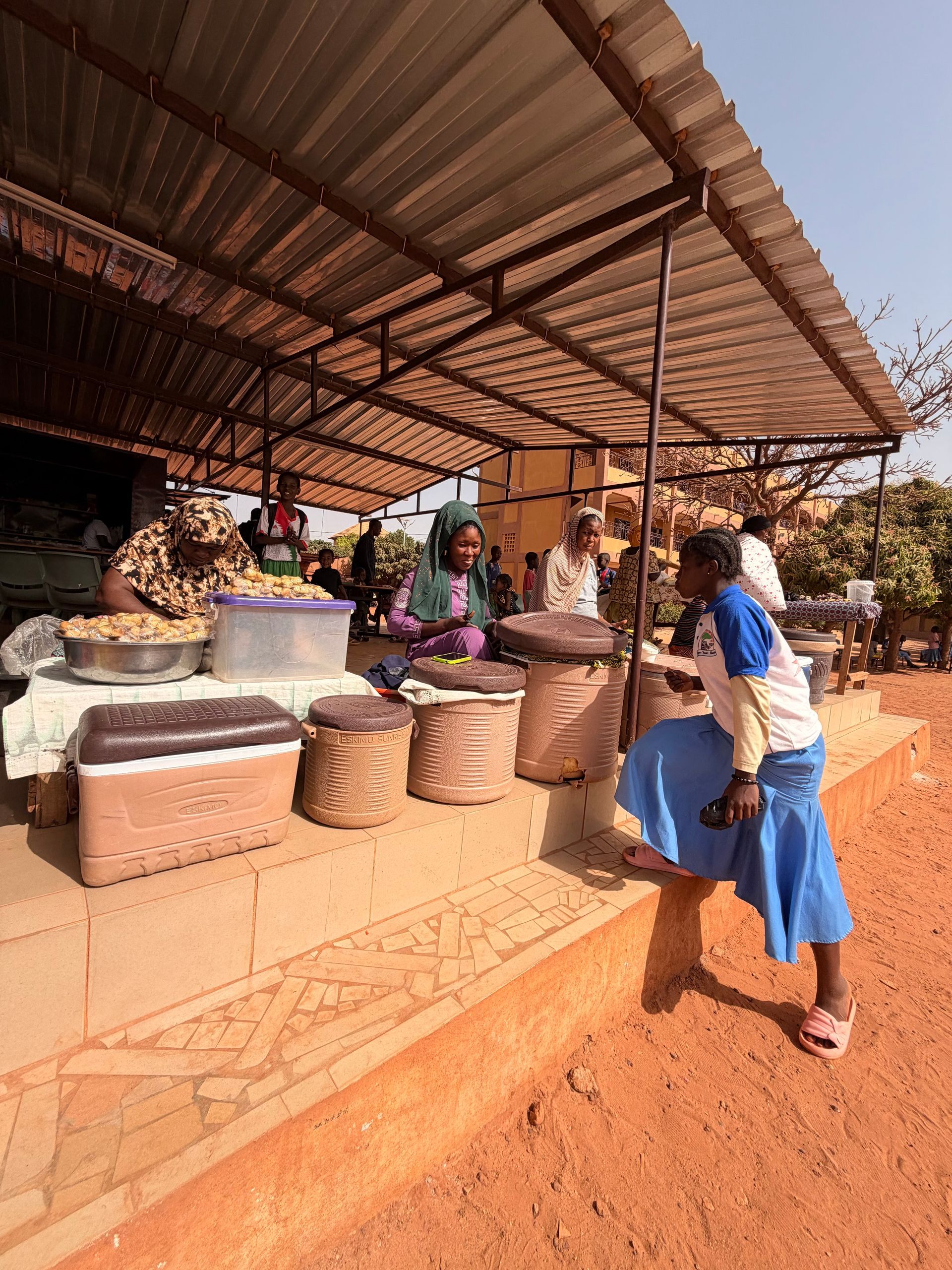
Burkina Faso
Illiteracy in the country is among the highest in the world. Around 42-44% of the population over the age of 15 were literate in 2026, of which 50-52% were men but only 33-35% were women.
According to national law in Burkina Faso, schooling is compulsory for children from 6 to 16 years of age. Schooling is supposed to be free, but the government does not have the resources to meet the need for schools for all children in the country. There are far too few state-run schools and they receive far too little funding for their operations and have to charge parents additional fees. In addition, the families of the children who are lucky enough to receive schooling have to pay for school supplies, school uniforms, etc., and this cost is much more than most families can afford. Public schools are overcrowded, often with 100-200 children per class. When schools are full, children are turned away and have to try again the next year. Boys have priority for schooling, and illiteracy among girls is therefore much higher than among boys.
Although access to education has increased significantly in recent years, only 65% of children complete primary school and graduate from grade 6. When it comes to secondary education, grades 7-10, the percentage is even lower. Only 37% of students complete grade 8 and 14% complete grade 10. It is difficult to get parents to send their children to secondary school because the costs are too high. It is mainly boys who are allowed to go because girls have to help with household chores, look after younger children or are even married.
Education is the most important link in breaking the cycle of poverty
Thank you!
We will send you an invoice to your online bank shortly.
Thank you!
We will send you an invoice to your online bank shortly.
Thank you!
We will send you an invoice to your online bank shortly.