

Operations | ABC Children's Aid
Uganda
48.7m
Residents of the country
41%
Are below the poverty line
77%
Are under 30 years old
6.2 years
Average number of years in school
63.4 years
Life expectancy at birth
Main area of operation
Kampala and Rackoko
Number of children supported by abc
650 children
Main area of operation
Nairobi
Number of children supported by abc
230 children
ABC Children's Aid Uganda
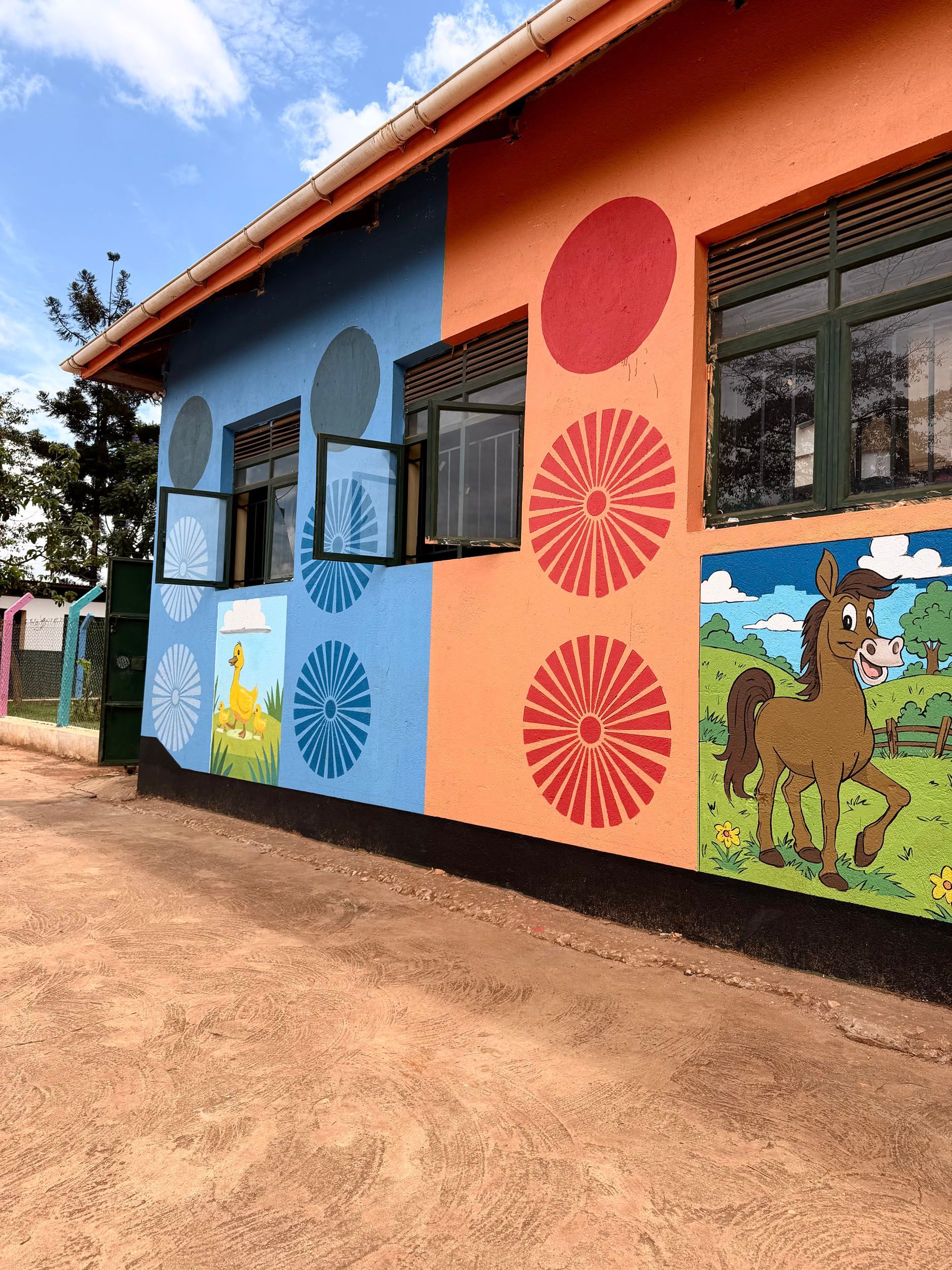
The organization was previously called the Uganda Australia Foundation and was founded by a couple, Trudy and Francis Odida. Trudy is Australian and Francis is Ugandan. The couple have built up an extensive aid program that serves thousands of children. The Uganda Australia Foundation became a partner of ABC in 1993. In 2007, the name was changed to ABC Children's Aid Uganda. Today, ABC Children's Aid supports around 650 children in Uganda with the help of Icelandic supporters and has built schools in Kitetika and Rackoko in collaboration with the couple. ABC Children's Aid Uganda runs a total of 9 schools; a pre-school, a primary school, a secondary school and a vocational school.
The school system
The school year in Uganda begins in early February. Each school year is divided into three terms, and children take exams after each term: February - April, May - August, and September - November.
The schools are divided into the following:
Preschool for children aged 3 to 5. Primary school for grades 1 to 7. At the end of grade 7, children take a standardized exam. Secondary school, which is divided into S1-S4 with a final exam. S 5-S 6 is also offered, which gives the right to go to university.
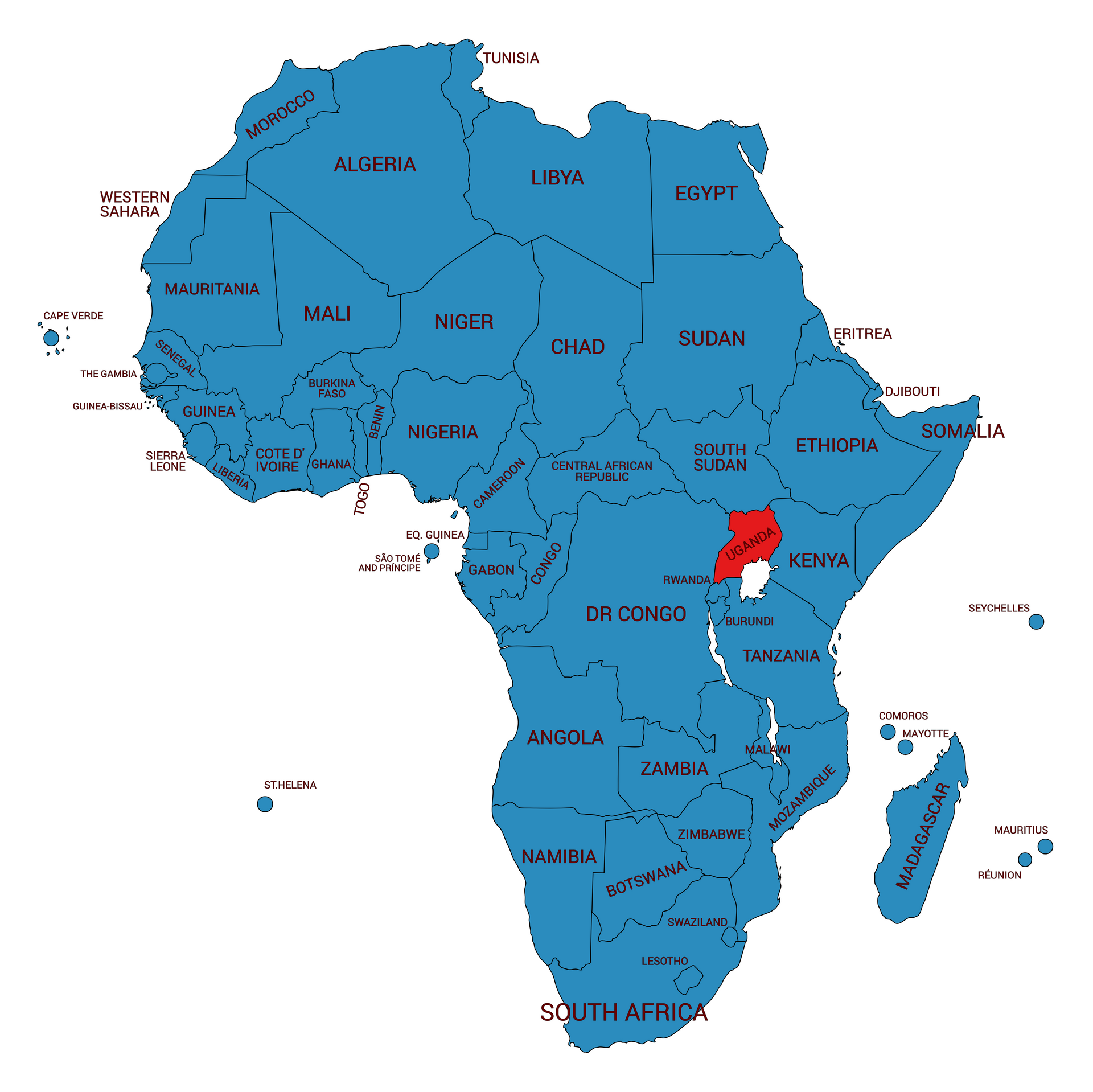
Uganda is a small country in East Africa, the capital of which is Kampala. It is bordered by Sudan to the north, Zaire to the west, Rwanda and Tanzania to the south, and Kenya to the east. Uganda is rich in natural resources and is called the Pearl of Africa. Uganda lies on the equator. There are two rainy seasons throughout the year; March - May and October - November. Temperatures are relatively stable at 25-29 °C due to the country's altitude.
abc schools
The schools in Kitetika and Kasangati
Kitetika and the surrounding villages are approximately 16 km from the centre of Kampala, the capital of Uganda. Most of the residents are subsistence farmers struggling to make ends meet. Most of the homes our children live in are built of mud bricks and have no running water or electricity. In Kitetika, ABC has been running a school for poor children since 1994. The ABC schools have received numerous awards for their good academic performance, despite the fact that almost all of the children come from the lowest classes of society and live in poor conditions.
Rackoko
In addition to the schools in Kitetika and Kasangati, ABC Children's Aid runs four schools in Rackoko in Northern Uganda: a preschool (3 to 5 year olds), a primary school (grades 1–7), a secondary school (grades 8 to 12) and a vocational school.
The Acholi people of northern Uganda have grown up in a state of war for the past 35 years, with a war raging between rebels calling themselves the Lord's Resistance Army (LRA) and the government from 1986 to 2008. The conditions for the people in Rackoko are very difficult. Food and water are scarce, sanitation is primitive and housing is inadequate. Poverty and disease are widespread problems among the children, who have known little else but suffering throughout their lives.
UAF (Uganda Australia Foundation, later ABC) began relief work in this war-torn area of Rackoko in Pader District in Northern Uganda in 1993.
In addition to the schools, ABC Children's Aid runs a health clinic for the people of Rackoko, a radio station that broadcasts uplifting content as far north as Sudan and west as Congo.
Uganda
Uganda is a small country in East Africa, the capital of which is Kampala. It is bordered by Sudan to the north, Zaire to the west, Rwanda and Tanzania to the south, and Kenya to the east. Uganda is rich in natural resources and is called the Pearl of Africa. Uganda lies on the equator. There are two rainy seasons throughout the year; March - May and October - November. Temperatures are relatively stable at 25-29 °C due to the country's altitude.
The people of Uganda are of many ethnic groups. English is the official language, but Swahili is widely spoken in the country. Luganda is the main language spoken in the south and Luo in the north.
About 84.4% of the population is Christian and about 13.7% is Muslim. About 80% of the population are farmers and the country is self-sufficient in food. The country still struggles with poverty and inequality, but has nevertheless experienced great economic growth and political stability. Uganda was relatively well off economically when the country gained independence in 1962. However, during his reign, Idi Amin expelled most of those who had foreign knowledge and worked in industry, and this action had a very negative impact on the country's economy. The long-term conflict against the LRA and the AIDS epidemic had serious consequences for the country's economy. Polygamy is still prevalent in Uganda, and divorce often occurs when a woman discovers that her husband is supporting more than she is. It is also common for men to simply disappear when circumstances become difficult and the woman is forced to take care of the children alone. It is unfair, but this happens.
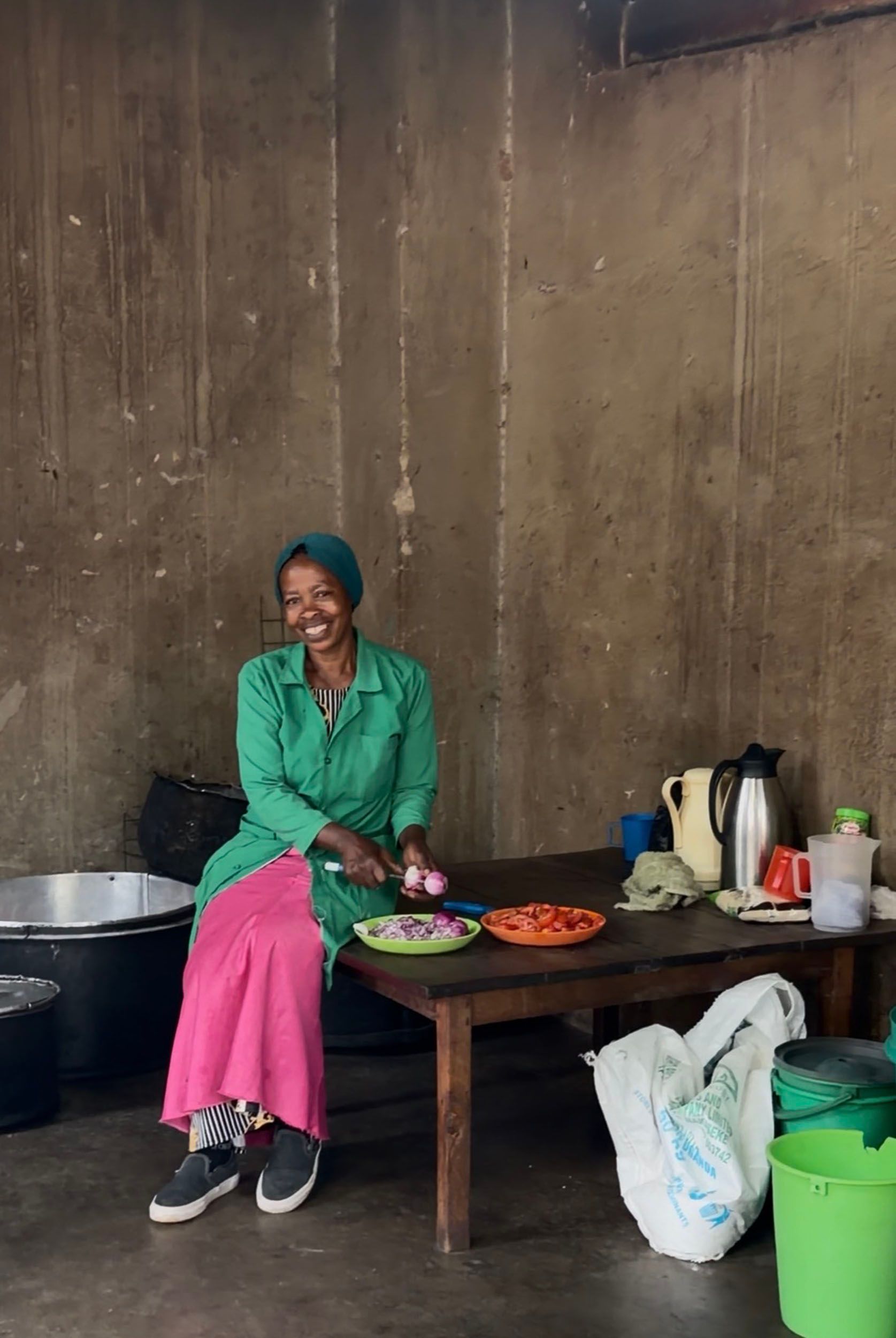
Education is the most important link in breaking the cycle of poverty
Thank you!
We will send you an invoice to your online bank shortly.
Thank you!
We will send you an invoice to your online bank shortly.
Thank you!
We will send you an invoice to your online bank shortly.