


Operations | ABC Children's Aid
Philippines
115m
Residents of the country
19%
Are below the poverty line
60%
Are under 30 years old
9 years
Average number of years in school
71 years
Life expectancy at birth
Main area of operation
Rizal
Number of children supported by abc
550 children
Main area of operation
Nairobi
Number of children supported by abc
230 children
The job
ABC Bereavement Support began working with Children's Mission Philippines (CMP) in 1990. CMP was founded in 1983 by Sigvard Wallenberg. Every year, thousands receive help through the organization's work in the Philippines. CMP runs, among other things, the Molfrid Center preschool in Manila, where children aged 4 to 6 are admitted. There they learn to develop their personality, read, write, draw and play. They receive free education, school uniforms, books and school supplies, health care and hot meals. The children attend school until the fourth grade and then go to government-run schools, which are free up to the sixth grade.
Schools in the Philippines are divided into public and private schools. The education is divided into 4 levels; kindergarten to third grade (elementary level), grades 4-6 (elementary school), grades 7-10 (middle school), and grades 11-12 (upper secondary school). Then comes high school (college), which usually lasts 4-5 years. Universities then offer many study programs of varying lengths.
Free education
In the Philippines, education in public schools is free up to grade 6 or 12, but many children do not go to school. The reason for this is that parents cannot afford the costs of attending school; such as food, school buses, books, and the like. A large number of poor children therefore drop out of school. Classrooms are often overcrowded, and it is common for classes to have 65-95 children. Textbooks are in short supply and there is a severe shortage of teachers in public schools. A large percentage of children do not complete primary and/or secondary school.
State-run schools begin their school term in June and end in March. Private schools begin their term in July and end in April.
Families and situations
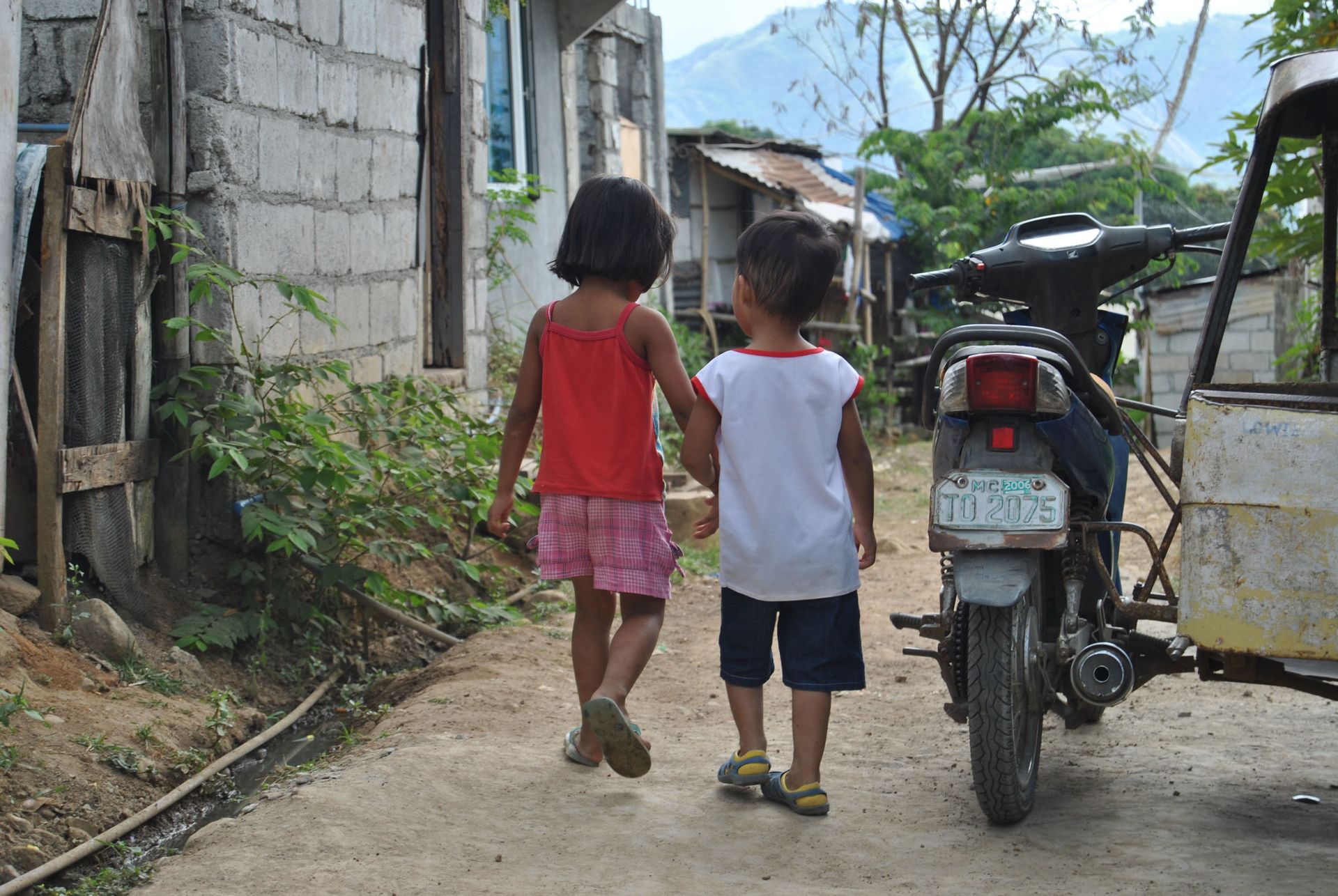
The families of the children supported by CMP and ABC are very poor. Most of them live in the garbage dumps of Manila in shacks made of garbage with corrugated iron roofs and dirt floors. Few have running water or electricity.
Cooking facilities are usually shared with many other families and laundry is done in alleys. Sexual abuse is very common in Manila. Few of these families can afford to send their children to school because all the money the family earns goes to food. With support from sponsors from Iceland, the children and their families receive a monthly amount that is used to pay for school uniforms, school books, food, transportation (bus) to and from school, and Christmas gifts for the whole family. In addition, university students receive a certain amount at the beginning of each semester that pays part of the school fees.
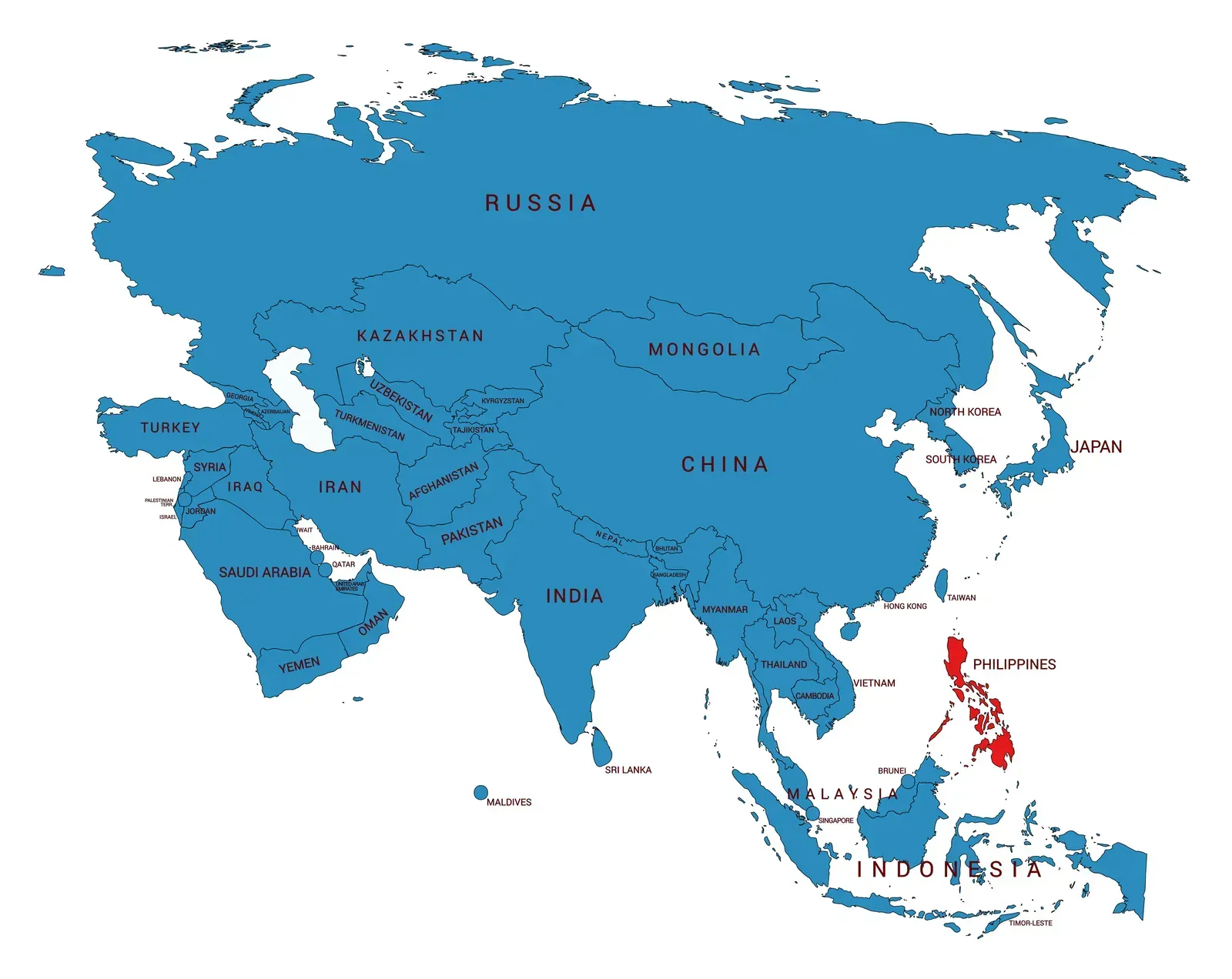
Philippines
The Republic of the Philippines is a country in Southeast Asia and the fifth largest island nation in the world, consisting of 7,641 islands. The Philippines gained independence from the United States in 1946 after being occupied by Japan during World War II. The country has a population of approximately 113 million, making it the twelfth most populous country in the world. The Philippines is the third most populous island nation in the world, with a population density similar to that of Japan. 178 languages are spoken, some of which are spoken by very small groups of people. The official languages are Filipino and English.
The capital, Manila, is the eighteenth most populous city in the world. The average temperature is around 27-28 degrees Celsius and the air is very humid. There are three seasons; the hot season or summer from March to May, the rainy season from June to November and the cold season from December to February.
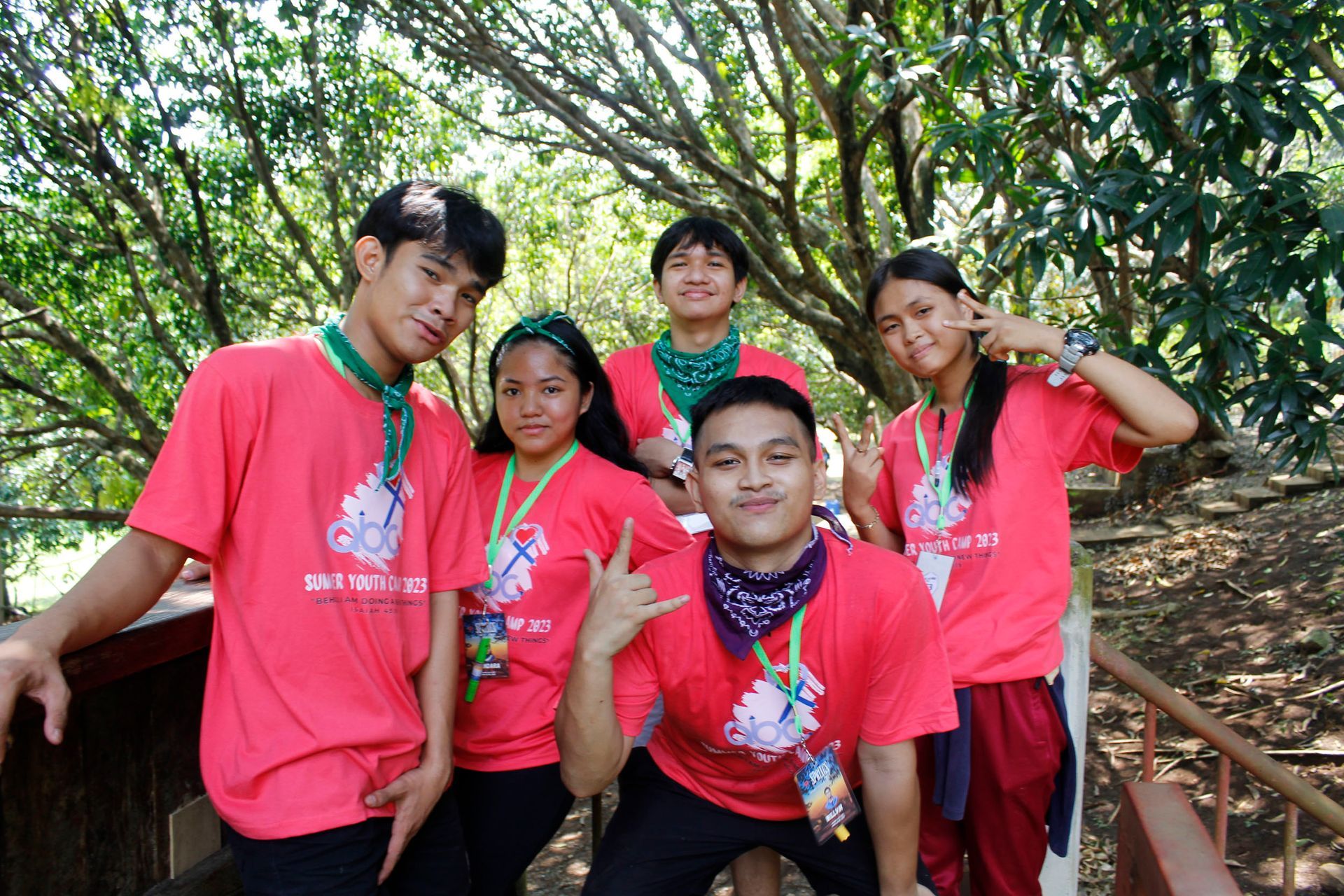
Success Stories - What changes with education?
Stephenson Reyes
Stephenson Reyes is one of those who have benefited from ABC Children's Aid's support through the Philippines grant project. He has been part of the project for about 17–19 years, since kindergarten age.
The support of his sponsoring parents was crucial to his life. He received regular financial support, school supplies, and Christmas gifts that allowed him to focus on his studies and succeed. He was consistently among the top students and eventually graduated with a BS in Entrepreneurship with honors (Cum Laude).
During his university years, he had to work while studying, including at McDonald's, but through perseverance he managed to complete his studies. Today, he is starting a new chapter as a manager at McDonald's, having worked his way up from a regular job.
Stephenson expresses deep gratitude to his sponsoring parents and ABC Children's Aid. He emphasizes that the support was not only financial but also gave him hope, confidence, and the opportunity to build a future for himself.
His story shows how long-term support can transform a child's life, and he now aims to give back and help others in the future.

Education is the most important link in breaking the cycle of poverty
Thank you!
We will send you an invoice to your online bank shortly.
Thank you!
We will send you an invoice to your online bank shortly.
Thank you!
We will send you an invoice to your online bank shortly.