

Operations | ABC Children's Aid
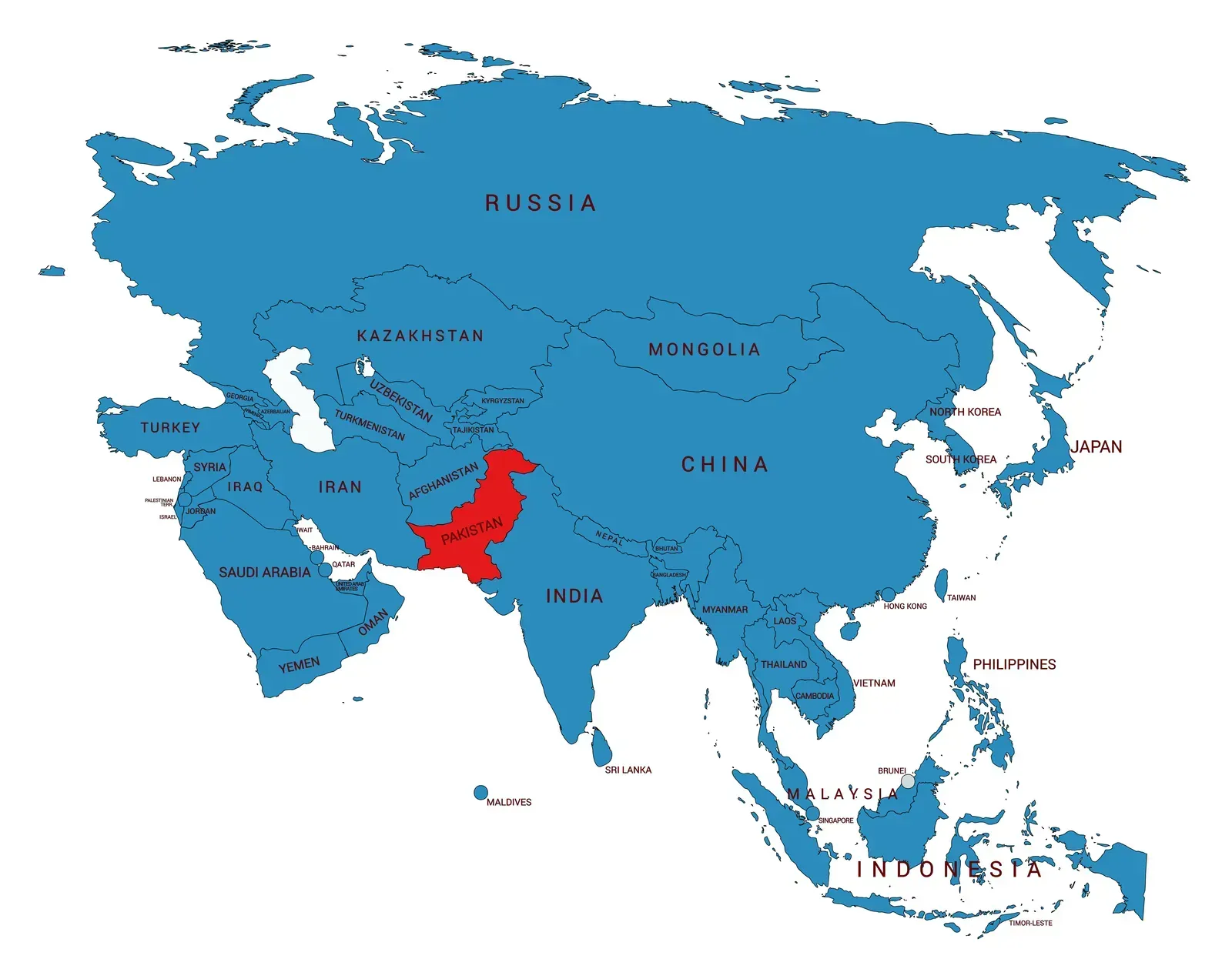
Pakistan
240m
Residents of the country
22%
Are below the poverty line
64%
Are under 30 years old
5 years
Average number of years in school
67 years
Life expectancy at birth
Main area of operation
Sheikhupura
Number of children supported by abc
286 children
Main area of operation
Lahore
Number of children supported by abc
54 children
Main area of operation
Nairobi
Number of children supported by abc
230 children
Partnership with ABC Children's Aid in Pakistan
In Pakistan there are 2 partners:
- Rasta Brick Kiln School in Sheikhupura, Punjab and
- Community Care School í Lahore
Collaboration with Rasta Brick Kiln School
ABC began collaborating with the non-governmental organization Rasta Foundation of Pakistan in 2018. Rasta has been working in Pakistan since 2009 and their goal is to help the children of the brick kilns gain education and freedom.
Collaboration with Community Care School
ABC began a partnership with Community Care School (CCS) in 2022. The school began operations that year and their goal is to help brick children gain education and freedom.
The schools
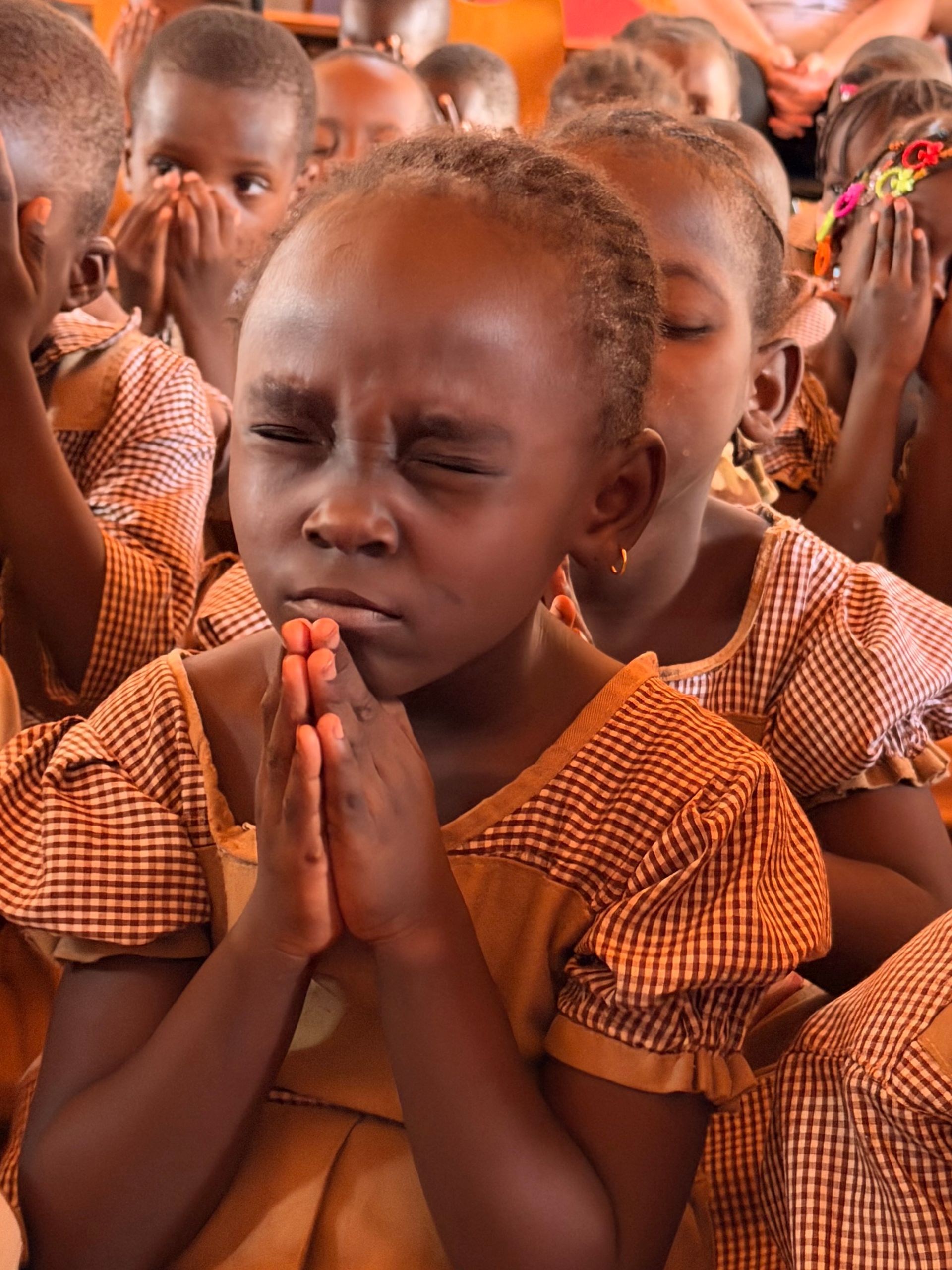
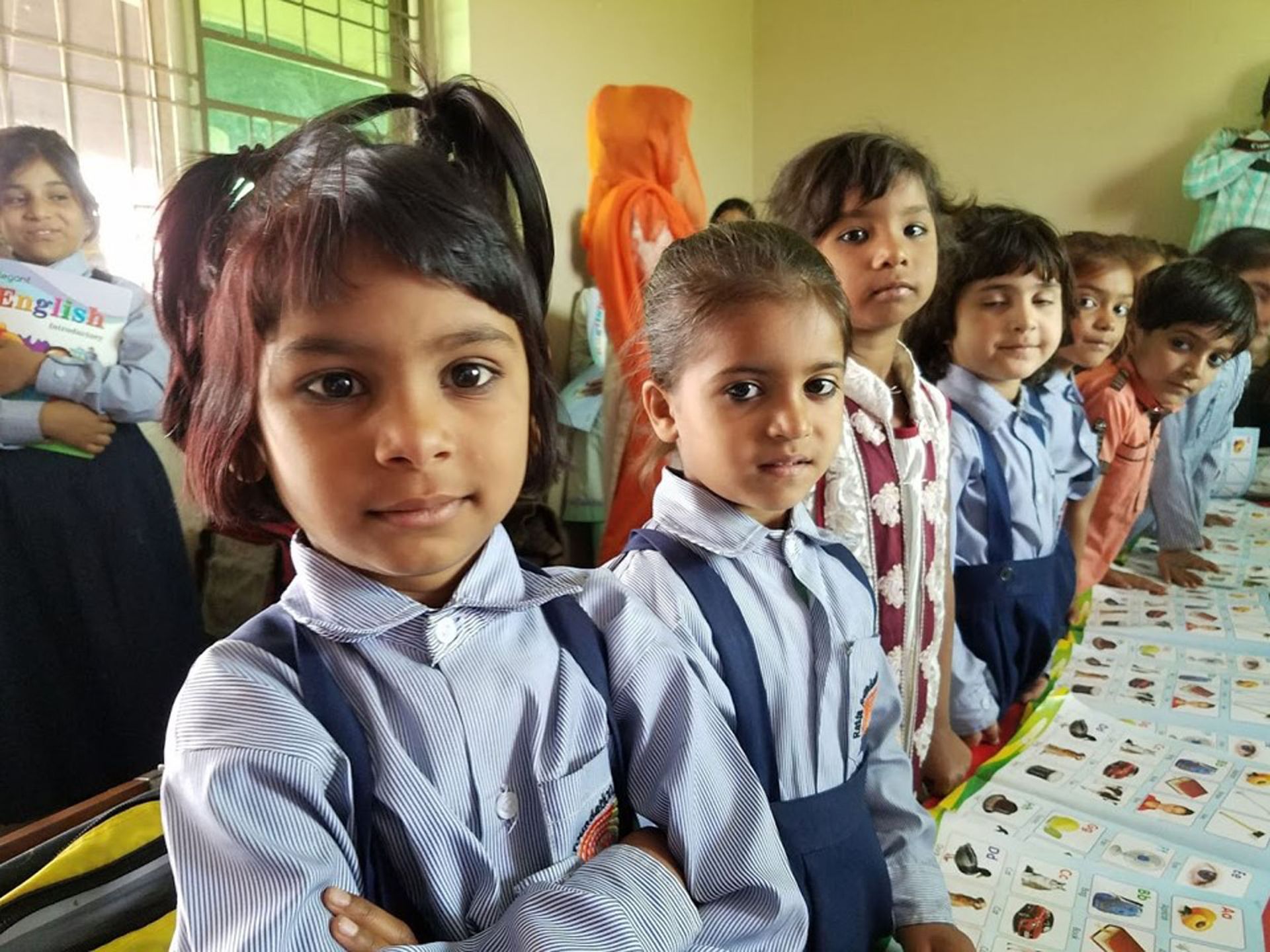
The Rasta school is in a district called Sheikhupura, where most families are in debt to factory owners.
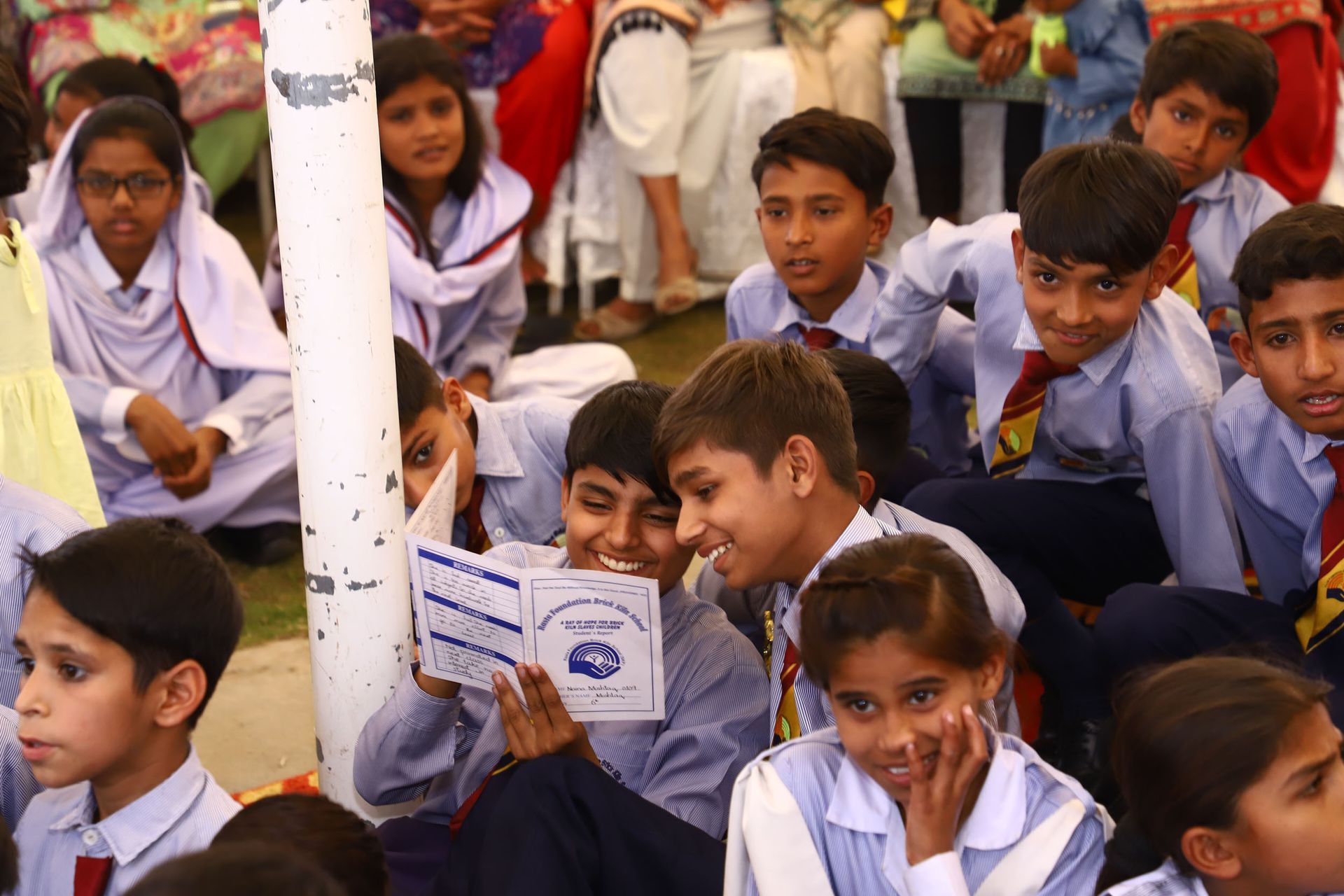
There, children receive day school education from kindergarten to grade 10. They learn Urdu, English, mathematics, poetry and art, social studies, religious studies, science, geography, history and computer education. At the school, they can complete the equivalent of a high school education, and the program is both theoretical and practical.
These children have one thing in common: they have not received any education of any kind before coming to the Rasta school.
CCS School is located on the outskirts of the big city of Lahore, where many families are in debt to factory owners. There, children of preschool and primary school age receive theoretical and practical instruction and will eventually complete their primary school exams. What these children have in common is that they have not received any education before coming to CCS School.
Growing community
The Rasta Foundation Brick Kiln Slaves School was founded in 2009 by a Christian pastor named Shamoun Chand. Chand grew up in the vicinity of the brick kilns and saw the need for this isolated group of children who were deprived of their rights and education. Chand started in a small building with three teachers. In 2013, a Swedish organization came and built a new school building for the organization, which was inaugurated on November 28, 2013. The school has grown steadily and today has over 200 students and 18 teachers and staff.
CCS was founded in 2022 by Asma Mustaq, who belongs to a Christian minority in Pakistan. Asma studied in Sweden and was invited to work there, but her calling was to work for disadvantaged women and children in Pakistan. Currently, 54 children study at the school in a small school building, but the goal is for the school to grow steadily in the coming years, as new cohorts are added.
School activities
Much effort is made to ensure that students learn about and become aware of their rights and responsibilities in society.
Education is systematically promoted about the basic needs of children, child protection, child slavery, human trafficking, gender identity rights, and more. There are many social problems in the country and the rights of its citizens are greatly violated.
Most children start preschool at the age of 6. Primary school is like in Iceland from grade 1 to grade 10, but then students take standardized exams and can continue their studies if they pass the exams.
The school year in Pakistan is divided into three semesters.
- The first semester is from April to June.
- Summer school is from June to July.
- The second semester is from September to December.
- The third semester is from January to March.
The unspoiled generation
It is widely agreed that corruption is the main cause of poverty in the world. The philosophy of the “incorruptible generation” has been implemented across ABC schools in Asia and Africa. Children are systematically taught about the negative impact and extent of corruption. Corruption is about distorted thinking rather than the pursuit of money, and future generations will grow up being educated about this main cause of poverty and destitution.
The Brick Children
The poor or those at the bottom of the social ladder in Pakistan do not have many options when it comes to providing for themselves and their families. They often have two options: begging on the streets or taking loans from those who run the country's large industries, including brick factories. If they accept a loan, they face a long and hard day's work making bricks from clay. The sun usually shines brightly during the day, which makes the clay very hot, and workers have to carry bricks with their bare hands. In Sheikhupura district, hundreds of children are forced into slave labor, and the treatment of the children is so bad that they are not allowed to attend school, and the workday is usually 16 hours a day, six days a week.
Representatives from the Rasta Foundation negotiate with factory owners when the opportunity arises and pay off the workers' debts, thereby freeing their children from slavery (bondage). The organization then provides a school for the children, where they receive education, food, school uniforms, and health care. The school is in the same village as the factories and where the children's families live. Some families live in small brick huts, and others rent one room from the factory owners for the entire family.
Pakistan
The official name of Pakistan is the Islamic Republic of Pakistan and its capital is Islamabad. The name Pakistan means "Land of the Pure" in Urdu, the country's official language. Pakistan has a population of over 246 million as of 2026. It is the fifth most populous country in the world and its population is growing rapidly. Illiteracy is a major problem, but it varies greatly from region to region, from 10% in the capital to 72% in many rural areas. About 10-15% of children in Pakistan do not complete primary school. Illiteracy is high among girls and women. Poverty is particularly high among people in the country's rural areas. Centuries of exploitation in various forms have left the population miserable and pessimistic.
Success Stories - What changes with education?
The Saga of Rebekah Boota
Rasta Brick Kiln School
Ribka Boota (RFP-015) carries a story of resilience, responsibility, and unwavering faith in the face of adversity. As the eldest of seven children, Ribka has shouldered a great deal of responsibility, especially after the death of her father. Her mother, who struggles with serious health problems, including the loss of vision in one eye, relies heavily on her strength and support.
Despite these challenges, Ribka continued her studies with determination. She completed her undergraduate studies at Rasta Brick Kiln School in 2018 and continued her studies at Peer Bahar Shah College in Sheikhupura, where she successfully completed her secondary education.
Today, Ribka works as a teacher at Archer Public School and also teaches evening classes, thus contributing to the family's support while continuing her own development and service.
Her life reflects the words of scripture: “Inasmuch as you did it to one of the least of these… you did it to me.” (Matthew 25:40) Rebecca’s courage, strength, and faith are an inspiration to others and show that even in the face of adversity, hope and purpose can triumph.
Success Stories - What changes with education?
Saga bano
Rasta Brick Kiln School
Bano is a shining example of how education, faith, and perseverance can transform lives. She completed her primary education at Rasta Brick Kiln School in 2018 and continued her secondary education at Peer Bahar Shah College in Sheikhupura.
Her journey didn't stop there. With a heart dedicated to service, Bano entered the education sector, teaching at Radiant Grammar School and The Muslim School System. Today, she works as a 1st grade teacher at Rasta Brick Kiln School—the same place where her own journey began.
Bano’s life reflects the promise of scripture: “Train up a child in the way he should go…” (Proverbs 22:6). From humble beginnings, she has risen with determination and dignity to become a role model for younger students. Her story is not only about personal success, but also about giving back—empowering the next generation with knowledge, hope, and faith.

Education is the most important link in breaking the cycle of poverty
Thank you!
We will send you an invoice to your online bank shortly.
Thank you!
We will send you an invoice to your online bank shortly.
Thank you!
We will send you an invoice to your online bank shortly.